Beautiful botanical garden glasshouse surrounded by gardens
πŸ“ Richmond, London, United Kingdom

Your Essential Guide to
Kew Gardens

Expert travel tips, glasshouse guides, seasonal highlights, and everything you need to plan the perfect visit to one of the world's most celebrated botanical collections β€” a UNESCO World Heritage Site.

πŸ“– 12 In-Depth Articles ⏱️ 22 min read πŸ“… Updated April 2026

Discover the Royal Botanic Gardens

Founded in 1759, Kew Gardens is home to the world's most diverse collection of living plants, spanning 300 acres of landscaped gardens, glasshouses, and natural woodlands along the Thames in southwest London. Designated a UNESCO World Heritage Site in 2003, it houses over 50,000 living plants and a herbarium of more than 8.5 million preserved specimens.

This independent guide covers everything you need to know β€” from the iconic Victorian glasshouses and treetop walkways to seasonal festivals, photography spots, and practical visitor tips. Whether you're a keen botanist, a family looking for a day out, or a photographer chasing the perfect bloom, we've compiled expert insights to help you plan the ideal visit.

1759Founded
300Acres
50K+Living Plants
2.2MAnnual Visitors

Kew Gardens Travel Guides

In-depth articles about the gardens' history, glasshouses, seasonal highlights, and practical tips for planning your visit.

Victorian glasshouse in botanical garden Essential Guide
πŸ“… April 12, 2026⏱️ 10 min read

The Complete First-Timer's Guide to Kew Gardens

Everything you need to know for your first visit to one of the world's most important botanical gardens β€” from must-see highlights and route planning to practical information about getting there and what to bring.

Kew Gardens can feel overwhelming on a first visit. With 300 acres of gardens, glasshouses, galleries, and natural areas, it's impossible to see everything in one day. The key is planning a route that covers the highlights while leaving room for spontaneous exploration.

Must-see highlights for first-timers: Start at the Victoria Gate entrance and head straight to the Palm House β€” the iconic Victorian glasshouse filled with tropical rainforest plants. From there, walk along the Broad Walk to the Temperate House, the world's largest surviving Victorian glass structure. Don't miss the Treetop Walkway (18 metres above the ground) and the Princess of Wales Conservatory with its ten climate zones under one roof.

Time management: Allow 4-5 hours minimum. The gardens open at 10 AM daily, and arriving early means fewer crowds at popular glasshouses. Download the Kew Gardens app for an interactive map and self-guided tours. The Shirley Sherwood Gallery of Botanical Art is worth 30 minutes for its stunning plant illustrations.

What to bring: Comfortable walking shoes are essential β€” you'll walk 3-5 miles minimum. Bring layers as you'll be moving between tropical glasshouses (28Β°C+) and outdoor gardens. A refillable water bottle can be filled at fountains throughout the site. Rain gear is wise given London's unpredictable weather.

Interior of a Victorian glasshouse with tropical plants Glasshouses
πŸ“… April 8, 2026⏱️ 9 min read

The Palm House: Inside Kew's Iconic Victorian Masterpiece

Built between 1844 and 1848, the Palm House is the most recognisable structure at Kew Gardens. Step inside this iron and glass cathedral to discover tropical rainforests, ancient cycads, and plants that have been growing here for over 150 years.

Designed by architect Decimus Burton and ironworker Richard Turner, the Palm House was one of the first major structures to be built using wrought iron. Its distinctive curved profile was inspired by the hull of a ship turned upside down, creating a structure that could withstand the weight of glass panels while maximising light penetration.

Inside, the atmosphere is hot and humid β€” around 27Β°C with 80% humidity β€” recreating the conditions of a tropical rainforest. Plants arranged geographically represent Africa, the Americas, Australasia, and Asia. Star specimens include the oldest pot plant in the world β€” a cycad (Encephalartos altensteinii) brought to Kew in 1775.

The Marine Display in the Palm House basement showcases aquatic ecosystems through four large aquaria. Interactive displays explain the critical relationship between marine plants, coral reefs, and the wider environment. It's a cool, quiet retreat from the humidity above.

Photography tip: The interior condensation creates a dreamy, atmospheric effect on photography. Arrive before 11 AM for the best light conditions through the glass, and bring a microfibre cloth to wipe your lens as you enter from the cool outdoors.

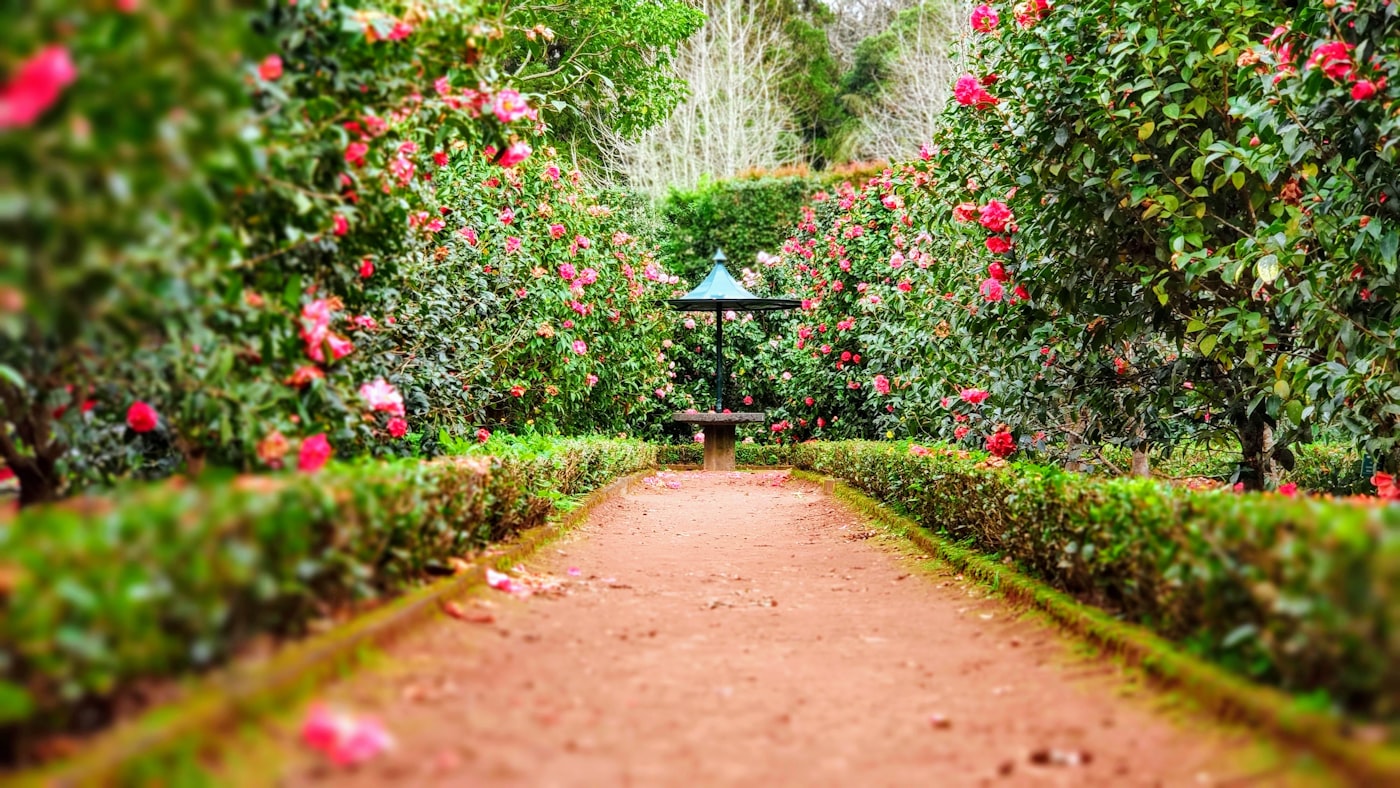
Colourful garden pathway lined with flowers Glasshouses
πŸ“… April 3, 2026⏱️ 8 min read

The Temperate House: World's Largest Surviving Victorian Glass Structure

Twice the size of the Palm House, the newly restored Temperate House shelters the world's rarest temperate plants. Following a five-year, Β£41 million restoration, it's more stunning than ever.

The Temperate House covers 4,880 square metres β€” roughly the size of ten Olympic swimming pools. Initially designed by Decimus Burton in 1859, it took 40 years to complete due to funding delays and ultimately opened in its entirety in 1899. After years of deterioration, a comprehensive restoration completed in 2018 returned it to its Victorian glory.

The collection focuses on plants from temperate regions worldwide β€” those zones between the tropics and the Arctic/Antarctic. Highlights include the rarest plant in the world, the Encephalartos woodii cycad from South Africa (the last male specimen in the wild was collected in 1895), and a Chilean wine palm (Jubaea chilensis) that is the tallest greenhouse plant in the world.

The five geographical zones represent Africa, the Americas, Asia, Australasia, and oceanic islands. The centrepiece is an elevated walkway offering aerial views down over the plant canopy β€” a spectacular vantage point for both botanical appreciation and photography.

Conservation focus: More than 30% of the plants in the Temperate House are classified as threatened in the wild. Kew's scientists work with partners in 110 countries on conservation projects, and many plants here represent the last hope for species facing extinction in their native habitats.

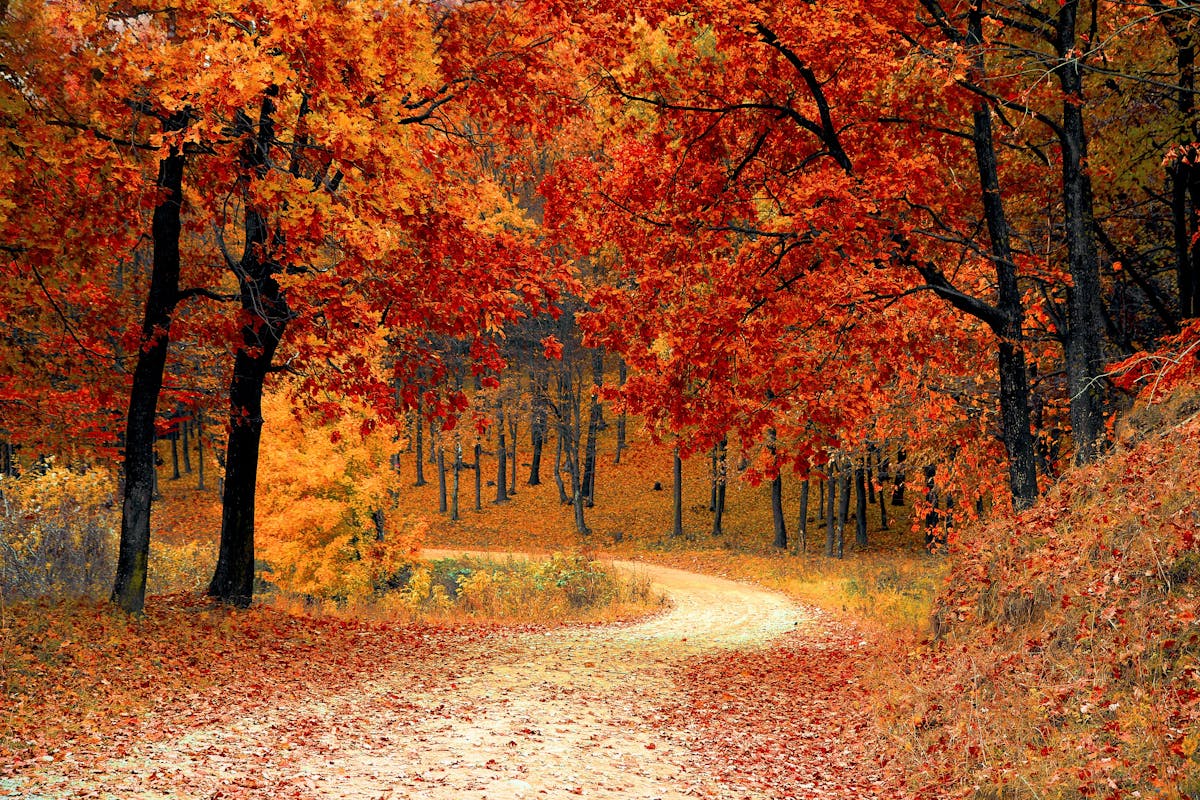
Autumn woodland with golden foliage History
πŸ“… March 28, 2026⏱️ 10 min read

The History of Kew: From Royal Pleasure Garden to Global Scientific Hub

Tracing Kew's extraordinary journey from a modest royal estate in 1759 to its UNESCO World Heritage designation in 2003, exploring the visionary figures who shaped one of the world's most important botanical institutions.

The story of Kew begins with Princess Augusta, mother of King George III, who established a nine-acre botanical garden on the estate in 1759. Under the guidance of botanist Lord Bute and later Sir Joseph Banks, the gardens expanded rapidly. Banks β€” who had sailed with Captain Cook β€” used his vast network of plant collectors to send specimens to Kew from every corner of the expanding British Empire.

The Victorian era was Kew's golden age. Sir William Hooker, appointed director in 1841, transformed it from a royal collection into a public institution and centre for botanical science. His son, Sir Joseph Hooker, succeeded him and corresponded extensively with Charles Darwin β€” the two men's botanical observations contributed to Darwin's theory of evolution.

Twentieth-century milestones include the establishment of the Millennium Seed Bank at Wakehurst in 2000, now the world's largest wild-plant seed conservation project. The Temperate House restoration (2012-2018) and the creation of the Hive installation (inspired by honeybee behaviour) brought modern interpretive design to the historic landscape.

UNESCO designation in 2003 recognised Kew's "rich and diverse landscapes and its collections of living and preserved plants" as being of "outstanding universal value." Today, Kew employs over 1,100 staff and maintains partnerships with botanical institutions in 110 countries.

Lush garden borders with diverse plantings Nature & Wildlife
πŸ“… March 22, 2026⏱️ 8 min read

Flora & Fauna: Wildlife You Can Spot in the Gardens Throughout the Year

Beyond the cultivated collections, Kew Gardens is a thriving wildlife habitat. Discover the foxes, herons, parakeets, woodpeckers, and insects that call these 300 acres home across every season.

Kew's 300 acres include ancient woodlands, meadows, and the Thames riverbank β€” creating diverse habitats supporting remarkable urban wildlife. The Conservation Area in the southwest corner is managed specifically for biodiversity, with log piles, wildflower meadows, and standing deadwood left for invertebrates.

Birds: Over 130 species have been recorded at Kew. Ring-necked parakeets (rose-ringed parakeets) are perhaps the most conspicuous β€” their bright green plumage and raucous calls are impossible to miss. Grey herons nest in a heronry near the Lake, visible from the elevated Sackler Crossing bridge. Great spotted woodpeckers drum on dead trees throughout the grounds.

Mammals: Red foxes are frequently seen at dawn and dusk, particularly near the Woodland Glade. Pipistrelle and noctule bats emerge at dusk from roosts in mature trees. Hedgehogs are occasionally spotted in quieter garden areas β€” Kew has created hedgehog highways in fences to help their population recover.

Best wildlife-watching spots: The Lake and its surrounding areas attract the greatest diversity of birdlife. The Conservation Area offers the most naturalistic habitat. In spring, the Bluebell Wood carpets sections of the Natural Areas with vivid purple-blue flowers, attracting early pollinators.

Seasonal flowers in full bloom at a botanical garden Seasonal Events
πŸ“… March 15, 2026⏱️ 7 min read

Kew Through the Seasons: What to See and When Throughout the Year

Every season at Kew offers distinct beauty β€” from spring bulb displays and summer rose gardens to autumn colour spectacles and the magical Christmas at Kew winter light trail.

Spring (March-May): The season begins with snowdrops and crocuses carpeting the Rock Garden in late February/March. Magnolias bloom spectacularly in April β€” the avenue near Victoria Gate is unmissable. The Bluebell Wood peaks in mid-April, and the Rhododendron Dell explodes with colour from late April onward. Cherry blossoms along Cherry Walk provide Instagram-worthy moments.

Summer (June-August): The Rose Garden peaks in June with hundreds of fragrant varieties. The Great Broad Walk Borders β€” among the longest double herbaceous borders in the world at 320 metres β€” reach their climax in July. Summer concerts and outdoor cinema events add evening entertainment.

Autumn (September-November): The Arboretum (14,000 trees spanning 300 acres) transforms into a tapestry of gold, amber, and crimson. The Japanese Landscape near the Pagoda is particularly stunning. Autumn also brings fungi forays β€” guided walks exploring Kew's extraordinary mushroom diversity.

Winter (December-February): Christmas at Kew is the highlight β€” a spectacular after-dark illuminated trail through the gardens featuring over one million lights, lasers, and interactive installations. The glasshouses provide warm refuges from the cold, and the winter-flowering Witch Hazel collection brightens grey January days.

Transport route to botanical gardens Travel Tips
πŸ“… March 8, 2026⏱️ 6 min read

How to Get to Kew Gardens: Complete Transportation Guide

Kew Gardens is easily accessible from central London by Tube, overground rail, bus, river boat, and bicycle. Here's the best way to reach the gardens depending on where you're starting from.

London Underground (Tube): Kew Gardens station is on the District Line (Richmond branch) β€” about 30 minutes from Westminster or 25 minutes from Earl's Court. The station is a 5-minute walk from Victoria Gate, the main entrance. Look for the green-roofed ticket hall and follow signs to the gardens.

London Overground: Kew Bridge station (on the South Western Railway network) is a 10-minute walk from Elizabeth Gate, the secondary entrance. This route is faster from Waterloo station (about 25 minutes direct).

River boat: Thames Clippers and seasonal heritage boat services run from Westminster Pier (by the Houses of Parliament) to Kew Pier during summer months (April-October). The journey takes approximately 90 minutes and is one of the most scenic approaches to the gardens. Kew Pier is directly adjacent to Elizabeth Gate.

Cycling: The Thames Cycle Path (National Cycle Route 4) passes directly through Kew. Bicycle parking is available at both Victoria Gate and Elizabeth Gate. The route from central London is largely flat and follows the river for much of the way. Santander Cycles (Boris Bikes) docking stations are located near Kew Bridge.

Family exploring colourful gardens Family Travel
πŸ“… March 1, 2026⏱️ 8 min read

Family-Friendly Kew: Activities, Playgrounds & Children's Trails

Kew Gardens offers an exceptional family day out with dedicated play areas, seasonal children's trails, interactive discovery zones, and spaces designed to inspire young naturalists.

Kew has invested significantly in family-focused experiences in recent years, making it one of London's best days out with children of all ages.

Children's Garden: The dedicated Children's Garden near the Temperate House is designed for children aged 2-12. It features water play, climbing structures, and sensory gardens where children can touch, smell, and explore plants. Natural materials and planting zones create imaginative play spaces β€” from bamboo tunnels to a canopy walkway where children can pretend to be explorers.

Seasonal trails: Throughout school holidays, Kew runs themed trails with activity booklets and stamps to collect at stations around the grounds. Easter egg hunts in spring and the Gruffalo trail in summer are particularly popular. These trails are included in the regular entry.

Treehouse Towers & the Treetop Walkway: The 18-metre-high Treetop Walkway lets children (and adults) walk through the tree canopy. The walkway includes interactive science panels explaining how trees work, making it educational as well as exciting. Note: it can be windy at the top!

Practical family tips: Bring a picnic β€” extensive lawns (especially the Kew Palace Lawn and near the Pagoda) are perfect for family picnics. Pushchairs are welcomed throughout the grounds, though some glasshouses have steps. Baby-changing facilities are available in all main toilet blocks. The Kew Explorer hop-on-hop-off land train (small charge) saves tired little legs.

Photographer capturing autumn colours Photography
πŸ“… February 22, 2026⏱️ 9 min read

Photography Guide: Best Spots and Tips for Capturing Kew's Beauty

From the architectural drama of the glasshouses to intimate close-ups of rare blooms, Kew Gardens offers extraordinary photography opportunities in every season. Here's how to get the best shots.

Kew is a photographer's paradise year-round. The combination of Victorian architecture, world-class plantings, atmospheric glasshouses, and changing seasons creates endless compositional possibilities.

Best photography locations: The Palm House and its surrounding formal beds create the most iconic Kew composition β€” shoot from the south side with the reflecting pool in the foreground. The Temperate House interior, with its soaring iron framework and shafts of light through glass, offers dramatic architectural shots. The Sackler Crossing (a curved bronze bridge over the Lake) provides elegant minimalist compositions, especially in morning mist.

Seasonal planning: Cherry Walk in mid-April for blossom canopies. The Rose Garden in June for saturated colour. The Arboretum in late October/November for peak autumn colour. The Palm House at dawn on frosty mornings for atmospheric exterior shots. Christmas at Kew for stunning light trail photography (tripod essential).

Equipment recommendations: A macro lens (90-105mm) is invaluable for botanical close-ups β€” Kew's plants are world-class specimens. Wide angle (16-35mm) for glasshouse interiors. A polarising filter cuts reflections on glass panels. Tripods are permitted outdoors but not inside glasshouses.

Insider tip: The first and last hour of opening are the quietest β€” ideal for people-free architectural shots. Members get early access during some events, so consider membership if you're a frequent photographer.

Pagoda and heritage buildings at Kew Culture & Heritage
πŸ“… February 15, 2026⏱️ 8 min read

Kew Palace, the Pagoda & Historic Buildings You Shouldn't Miss

Beyond the plant collections, Kew Gardens contains remarkable historic buildings including a royal palace, an 18th-century Chinese pagoda, and ornamental temples scattered throughout the landscape.

Kew Palace: The smallest of the royal palaces, this red-brick Dutch House was built in 1631 and served as a residence for King George III and Queen Charlotte. The restored King's Dining Room and Queen's Bedroom offer intimate glimpses into Georgian royal life. The adjacent Royal Kitchens have been restored to their 18th-century appearance, with costumed interpreters demonstrating period cooking techniques.

The Great Pagoda: Originally built in 1762 by Sir William Chambers, this 50-metre (163-foot), ten-storey octagonal tower was once the tallest Chinese building in Europe. After a major restoration in 2018, the 80 gilded dragons (removed during WWII for scrap metal) were replaced and visitors can now climb to the top for panoramic views across London.

Other historic buildings: The Japanese Gateway (Chokushi-Mon) is a four-fifths scale replica of the gateway of Nishi Hongan-ji temple in Kyoto. The Temple of Aeolus offers elevated views over the gardens. Queen Charlotte's Cottage, a rustic thatched retreat in the southwestern Conservation Area, is surrounded by bluebells in spring.

Visiting tip: Kew Palace and Queen Charlotte's Cottage are open seasonally (April-September). The Great Pagoda has limited timed entry β€” arrive early to secure a climbing slot.

Botanical research and conservation Conservation
πŸ“… February 8, 2026⏱️ 8 min read

Kew's Conservation Work: Saving the World's Plants From Extinction

Kew is at the forefront of global plant conservation. From the Millennium Seed Bank to fungal research and habitat restoration, discover the critical scientific work behind the beautiful gardens.

Kew is not merely a garden for public enjoyment β€” it's one of the world's leading scientific institutions for plant and fungal conservation. Over 350 scientists work at Kew's sites in Richmond and Wakehurst, conducting research that directly contributes to the survival of endangered species worldwide.

The Millennium Seed Bank at Wakehurst (Kew's wild botanic garden in Sussex) is the world's largest wild-plant seed conservation project. It has banked seeds from 40,000+ species β€” representing 17% of the world's wild plant diversity. The facility is designed to withstand floods, nuclear fallout, and can preserve seeds for centuries, providing a genetic safety net against extinction.

The State of the World's Plants and Fungi report, published annually by Kew, tracks the health of global plant diversity. Recent reports have identified that two in five plant species are threatened with extinction, and that roughly 2,000 new plant species are discovered each year β€” many from tropical forests under threat of deforestation.

Visitor engagement: Behind-the-scenes tours of the herbarium (home to 8.5 million preserved specimens, including some collected by Darwin) are available on select dates. The science displays in the Shirley Sherwood Gallery and the Plants + People exhibition in the Temperate House make Kew's research accessible and engaging for non-specialist visitors.

Nearby attractions along the Thames Nearby Attractions
πŸ“… February 1, 2026⏱️ 7 min read

Beyond Kew: Nearby Attractions and Day Trip Ideas Along the Thames

Extend your Kew visit with trips to nearby Richmond Park, Hampton Court Palace, the Thames towpath, and the charming riverside towns of Surrey and Middlesex.

The area around Kew is rich with green spaces, historic properties, and riverside walks that complement a visit to the botanical gardens perfectly.

Richmond Park (10 min drive): London's largest Royal Park spans 2,500 acres and is home to 600+ free-roaming deer. Isabella Plantation, a 40-acre woodland garden, rivals Kew for botanical beauty in spring. King Henry's Mound viewpoint offers a telescope-framed view of St Paul's Cathedral, 10 miles away.

Hampton Court Palace (20 min by train): Henry VIII's magnificent Tudor and Baroque palace sits on the Thames just two train stops from Kew. The 60-acre formal gardens include the famous Hampton Court Maze (the oldest surviving hedge maze in the world), the Great Vine (planted in 1768), and stunning seasonal flower bedding displays. The Hampton Court Flower Show in July is the world's largest flower show.

Thames Towpath: Walk, cycle, or jog along the Thames Path from Kew to Richmond (2.5 miles, 45 minutes). The route passes through Old Deer Park, under Richmond Railway Bridge, and offers beautiful views of Richmond Hill. In the opposite direction, walk to Chiswick and visit the Hogarth House and Fuller's Brewery.

Syon House & Gardens (10 min walk from Kew): The London residence of the Duke of Northumberland, Syon House features interiors by Robert Adam and 200 acres of parkland designed by Capability Brown. The Great Conservatory, built in the 1820s, may have inspired the design of the Crystal Palace.

Essential Visitor Tips

Everything you need to know for a smooth and enjoyable visit to the gardens.

πŸ•

Best Times to Visit

Weekday mornings are quietest. Arrive when gates open at 10 AM for glasshouses without queues. Late afternoons offer beautiful golden light for photography. Avoid bank holiday weekends when the gardens are busiest.

πŸ‘Ÿ

What to Wear

Comfortable walking shoes are essential β€” expect to walk 3-5 miles. Layer clothing as you'll move between hot glasshouses (27Β°C+) and outdoor gardens. Always carry a waterproof jacket β€” London weather is unpredictable.

πŸ“·

Photography

Tripods are allowed outdoors but not inside glasshouses. Macro lenses are superb for botanical close-ups. Bring a microfibre cloth β€” camera lenses fog instantly when entering warm, humid glasshouses from cold outdoor air.

πŸš‡

Getting There

Kew Gardens Tube station (District Line) is a 5-minute walk from Victoria Gate. Kew Bridge overground is 10 minutes from Elizabeth Gate. Summer river boats run from Westminster Pier. Ample cycle parking available.

🍽️

Dining & Picnics

Three cafΓ©s and a restaurant on site (The Botanical, Orangery, Victoria Plaza). Picnics are encouraged β€” bring a blanket for the lawns near the Pagoda or Kew Palace. Refillable water bottle fountains throughout the grounds.

β™Ώ

Accessibility

Most paths are wheelchair-accessible. Mobility scooters available free to borrow (first-come, first-served). The Kew Explorer land train covers the main route. Accessible toilets throughout. Companion carers enter free.

Seasonal Guide to Kew Gardens

Every season brings something spectacular to Kew. Here's what to expect throughout the year.

🌸

Spring

March β€” May
  • Magnolia avenue in full bloom
  • Bluebell Wood carpets
  • Cherry Walk blossom peak
  • Rhododendron Dell explosion
  • Easter trails for families
β˜€οΈ

Summer

June β€” August
  • Rose Garden at peak bloom
  • Great Broad Walk Borders
  • Outdoor cinema evenings
  • Summer concerts on the lawn
  • Children's summer trails
πŸ‚

Autumn

September β€” November
  • Arboretum golden foliage
  • Japanese Landscape colours
  • Fungi forays & guided walks
  • Harvest festival events
  • Quieter visitor numbers
❄️

Winter

December β€” February
  • Christmas at Kew light trail
  • Warm tropical glasshouses
  • Witch Hazel winter blooms
  • Snowdrop walks in February
  • Quietest time to visit

Frequently Asked Questions

Kew Gardens covers 300 acres (121 hectares). You can see the major highlights in 4-5 hours, but a full exploration takes a full day. The Kew Explorer land train helps cover ground efficiently. Most visitors focus on the Palm House, Temperate House, Treetop Walkway, and one or two seasonal highlights.

Kew Gardens opens at 10 AM daily year-round. Closing times vary seasonally: 6 PM in spring/summer, 4 PM in winter. Weekday mornings are quietest. Avoid bank holidays and sunny weekends for a more peaceful experience. Glasshouses close 30 minutes before the main gates.

Absolutely. The Children's Garden, seasonal trails, and Treetop Walkway are popular with families. Most paths are pushchair-friendly, though some glasshouses have steps. Baby-changing facilities are available in all toilet blocks. The Kew Explorer land train is a hit with tired children. Under-4s enter free.

Yes! Picnics are encouraged. Popular picnic spots include the lawns near Kew Palace, the area around the Pagoda, and the grassy slopes near the Lake. There are also three cafΓ©s and a restaurant if you prefer to buy food on site. Refillable water bottle stations are located throughout the grounds.

Christmas at Kew is an annual after-dark illuminated trail running from mid-November to early January. The one-mile outdoor trail features over one million lights, laser projections, and interactive installations set among the gardens' iconic landmarks. It's a separately ticketed event (not included in standard garden entry) and typically sells out β€” book well in advance.

The easiest route is the District Line to Kew Gardens station (5-minute walk to Victoria Gate). Alternatively, take South Western Railway to Kew Bridge station (10-minute walk to Elizabeth Gate). In summer, river boats run from Westminster Pier. Cycling via the Thames Cycle Path is scenic and easy. A taxi or Uber from central London takes 30-45 minutes depending on traffic.